
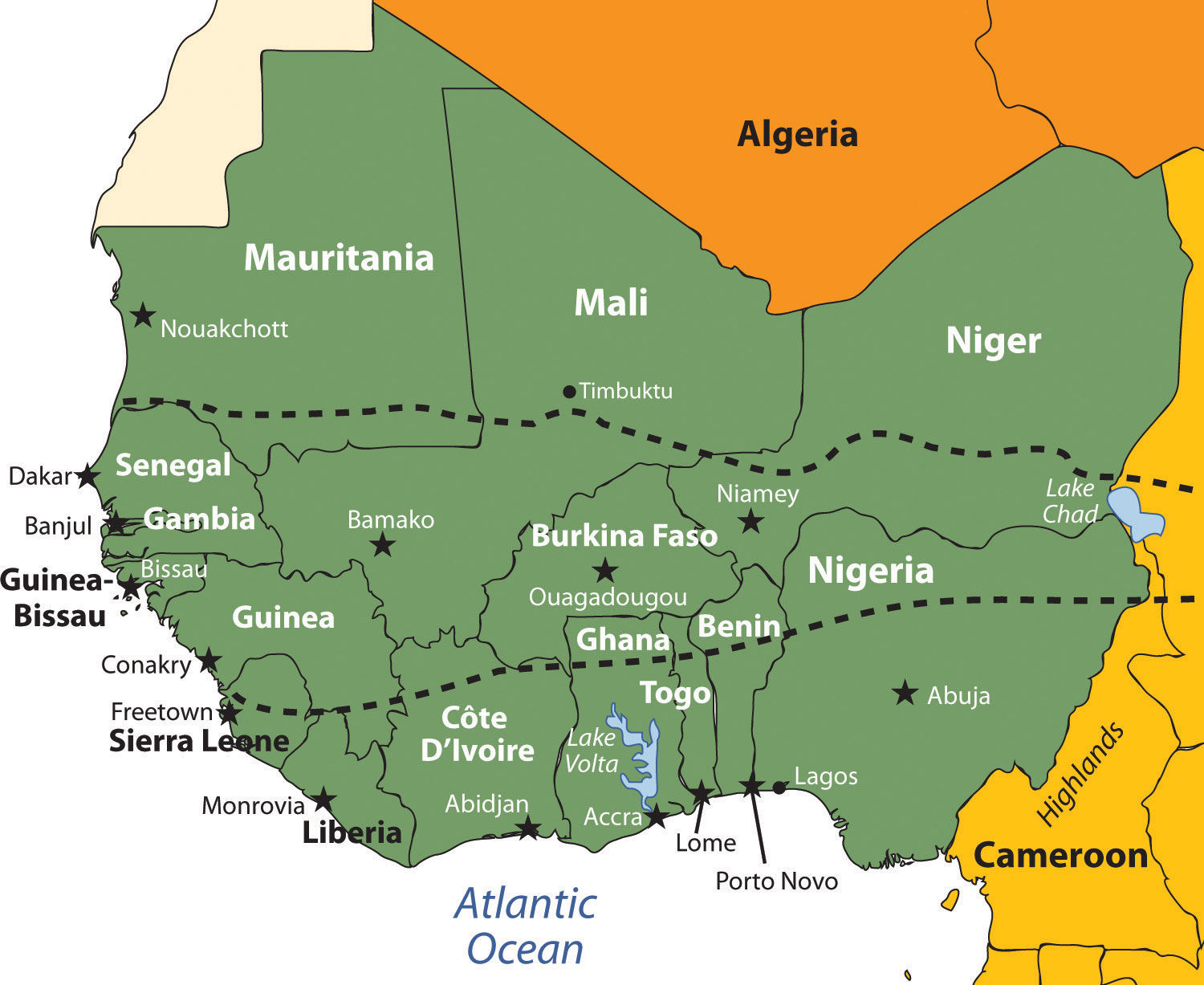
When discussing the healthiest diets in the world, the diets that probably come to mind are the oft-praised Mediterranean diet or Japanese diet. However, in a report that examined the diets of over 200 countries, this research has found that the West African diet has far more nutritional value than many Western diets, including diets in Canada and the U.S. Just to give a more definite geographic clarity on what is referred to as the West African diet, this diet is consumed by many people in the countries of Gambia, Mali, Senegal, Sierra Leone, Côte d’Ivoire, and Uganda.
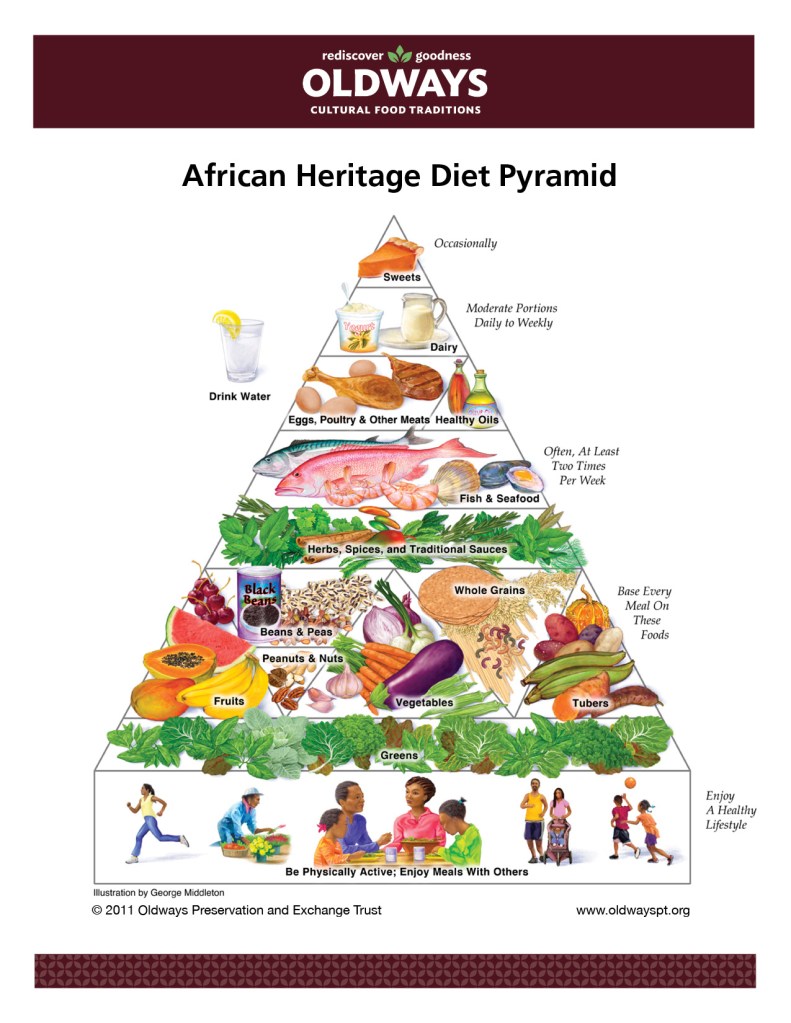
While many of us familiar with the USDA Food Pyramid, I was excited to see that a variety of other food pyramids existed, with the African Heritage Diet Pyramid being one of them. Oldways, a food and nutrition education nonprofit, created the African Heritage Pyramid which is “a food model that promotes a diet rich in vegetables, fruits, beans, herbs, spices, and traditional sauces”. Oldways looks to bring back food traditional to different regions of Africa to people of the African Diaspora all over the world. Comparing the USDA Food Pyramid and the African Heritage Diet Pyramid, the African Heritage Diet Pyramid emphasized fish, seafood, tubers, nuts, and beans. Interestingly, a category that does not exist in the USDA Food Pyramid is herbs, spices, and sauces.
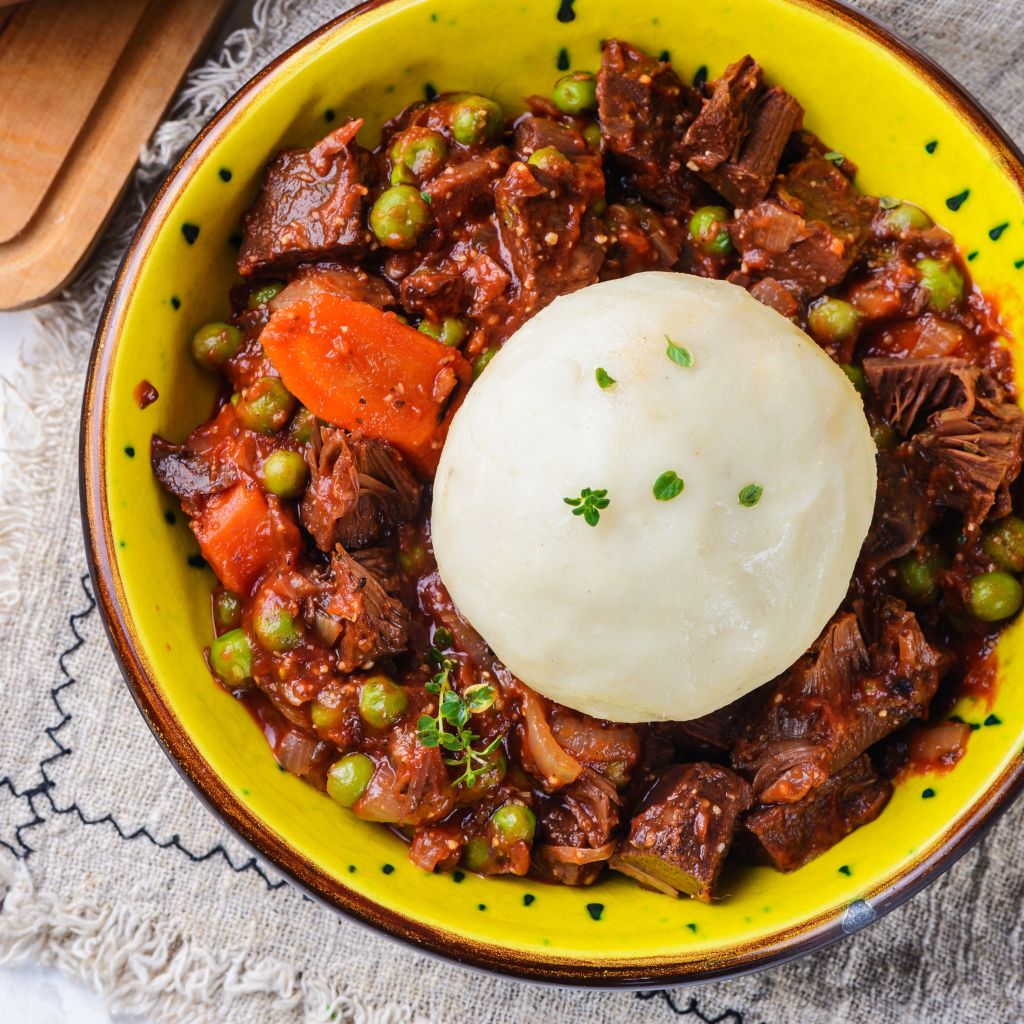
Compared to Western diets, the West African Diet is heavy on starch, light on meat, and incorporates many legumes and vegetables in dishes. Traditionally, meals are based off of hearty vegetable stews and stews, incorporate many spices and sauces, and are eaten with grains or mashed tubers. Tubers, like cassava and yams, are made into a staple called fufu, which accompanies many West African meals. Fufu can be made with cassava, yams, or plantains that have been boiled, pounded, and shaped into balls. The first photo on the blog post is of a fufu dish and the photo below is also of fufu.
:max_bytes(150000):strip_icc()/fufu-in-bowl-pounded-mix-of-steamed-plantains-and-cassava-root-148697787-588ba1b43df78caebc64c946.jpg)
Besides West African dishes looking delicious, the dietary habits of West African people also promote a healthier lifestyle than in Western countries. In a review of global dietary habits by The Lancet Global Health, The Lancet found that while more people in developed countries are eating healthier foods than they have in the past, they also are eating a lot more unhealthy foods. Unfortunately, unhealthy food doesn’t seem to balance out the healthy food eaten and people in industrialized countries are suffering from chronic diseases as a result of their poor diet.
Following this finding, a group of Americans and rural West Africans were asked to switch diets for two weeks. The sample of Americans was asked to eat a high fiber, low fat diet for two weeks while the sample of rural West African was asked to switch to a low fiber, high fat diet. In just two weeks, the American sample had a significant decrease in biomarkers of cancer risk and reduction in colon mucosal inflammation (a marker of colon cancer). The rural West African sample , on the other hand, had reverse changes in the above cancer markers.

Yep, in just two weeks, the food we eat can have drastic effects on how our body functions and can turn on or off cancerous biomarkers depending on whether we are eating a high fat, low fiber diet or a low fat, high fiber diet. While incorporating healthier foods into our diets is a smart move, the West African diet still has a typical western diet beat in the nutrition and health benefits it provides.
Again, I hope you all enjoyed this post and the pictures of mouthwatering dishes of fufu above! I have a recipe for fufu below that you all should check out if you want to try a taste of the famous West African staple at home.
West African Fufu recipe
Ingredients: 2 pounds of yam/cassava, salt, black pepper, 1 teaspoon olive oil
- fill a pot halfway with cold water
- Peel the yams/cassava, be careful with the yams as they can be slippery
- cut the peeled yams into chunks and place them in the pot
- bring the yams/cassava to a boil over high heat and continue to boil until the yams are soft (around 25 minutes)
- take the yams out and allow the yams to cool (preferable in a strainer)
- place the cooled yams in a large bowl with salt, pepper, and the olive oil
- mash the ingredients together with potato masher and place the mixture in a food processor or blender using a low speed setting (do not let the mixture puree)
- place the mixture back in the bowl. At this point the mixture should be sticky and elastic.
- shape the fufu into balls using your hands and voila! You have made fufu.
:max_bytes(150000):strip_icc():format(webp)/yam-fufu-2138088-step-11-78e8869ce9d1408081ad63e71422a770.jpg)
Links: https://www.thelancet.com/journals/langlo/article/PIIS2214-109X(14)70381-X/fulltext https://www.nature.com/articles/ncomms7342 https://www.britannica.com/topic/fufu
 Food & Bodies