How Spicy Do You Like It?

When we talk about people’s taste preferences, we often attribute these preferences to an individual’s choice on whether they decide to eat or not eat certain foods. However, the level of spiciness we are able to handle depends on a mix of our predisposed genes and the culture we grew up in. A personal case in point is when my whole family goes out to eat and have to account for my grandpa and grandma being supertasters ( a term I will explain later in the blog). Recently, we went out to a restaurant featuring New Orleans style cuisine, known for its unique seasonings and hot peppers. When the appetizer of fried alligator came out, we all thought that the meat was mildly spicy, as it was seasoned with cajun spices and black pepper. My grandmother, on the other hand, thought the fried alligator was extremely spicy. While she had only a single bite, she kept gulping down water, telling the rest of us that her throat was on fire.

While the rest of us at the time thought she was exaggerating, I think that it is more than likely that my grandmother is a supertaster. Dr. Linda Bartoshuk, a professor at Yale School of Medicine, studies the interplay between taste buds and chiles. In a study looking at taste and oral pain, she found that the taste system can inhibit activities which are incompatible with eating. When taste is damaged, the inhibition system is not longer in place and pain phantoms are felt by supertasters. In addition to being sensitive to spicy foods, supertasters often cannot stand bitter foods such as spinach, broccoli, and brussel sprouts.

Image result for supertaster

Why is it that some of us are supertasters while others are nontasters? The answer lies in cultural, genetic, and culinary factors. For those who live in environments abundant in chile peppers, the addition of chiles to food reduces the number of microbes present in the food. Studies have also found that chiles and other spices put in meat fight bacteria and fungi that make meat spoil. It is fascinating to see that the intensity of the use of chiles and other spices in hotter climates is higher than in cooler climates. Deciding to prove the science behind that hypothesis, researchers Sherman and Billing found that the amount of spices placed in dishes in tropical environments is enough to kill microorganisms that will get meat eaters sick. Basically, the more likely your food will spoil quickly, the more spices you are going to put in your food to prevent the spoiling!

Image result for we love spicy

However, the story of spices and microbes doesn’t end there. As humans and microbes continue the arms race against each other for survival, scientists surmise that evolutionary processes are changing the genes of bacteria and fungi, which raises questions of what can be done to microbial resistance to the chemical properties of spices. Also, as the distributions of certain bacteria, fungi, and spices continue to change, how will the frequency of tasters and non-tasters change? Well, I guess we’ll just have to see in the future.

Image result for see ya in the future gif

In line with my other posts, I have decided to include the recipe for a dish that is related to my post topic: Mexican Chile sauce. If you’re feeling adventurous and craving a spicy sauce, please give the recipe below a try!

Mexican Chile Recipe

Ingredients: 2 lbs red or green chiles (roasted and skin removed), 2 to 3 garlic cloves, 1/2 teaspoon cumin, 1 teaspoon salt, juice of 1/4 lime, 2 teaspoon oil, 1 to 2 jalapenos seeded (for additional spiciness), 2 cups drinking water

  1. After chiles are roasted and peeled, cut the stem area off, and make a cut down the side of the chile. Open it up, and scrape the seeds out with a spoon.
  2. Blend chiles in food processor until chunky.
  3. Add in remaining ingredients and process until smooth.
  4. Use the finished sauce immediately, refrigerate it for 2 to 3 days, or freeze it for up to 6 months as desired.
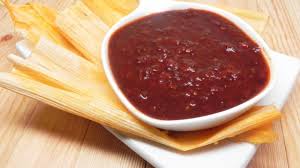
Image result for chile sauce
Mexican Chile Sauce!

References:

Nabhan, Gary Paul. Why Some Like It Hot Food, Genes, and Cultural Diversity. Island Press, 2012. https://www.thespruceeats.com/basic-chile-sauce-2342701 https://academic.oup.com/bioscience/article/49/6/453/229475

The Nordic Diet…Not Just Meat and Potatoes

If you’re like me and never heard of the Nordic Diet, you might think it consists of meat and potatoes and then wonder, what’s so intriguing about that? However, this diet actually includes may plant-based foods and fish, key staples of healthy eating. The Nordic diet, as the name suggests, is based off of traditional foods eaten in the Scandinavian countries of Finland, Norway, Denmark, Sweden, and Iceland.

Image result for scandinavian countries flags

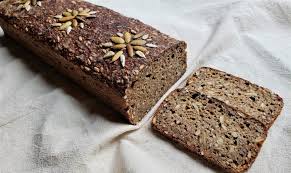
The Nordic diet is like the Mediterranean diet in many ways, but also differs in some key aspects. Like the Mediterranean diet, the Nordic diet includes many slow-releasing carbohydrates like cereals, breads, and crackers that are made with whole grain oats, rye, and barley. Also, fish plays a major role in the Nordic diet, providing a diet rich in omega-3-acids. These foods, eaten in both the Nordic and Mediterranean diets, provide many antioxidants, minerals, fibers, and vitamins. Below is a photo of Rugbrød, a sourdough bread eaten in Denmark.

Image result for rugbrød

Some key differences of the Nordic diet are the incorporation of many berries and the use of canola oil instead of olive oil. Canola oil is also known as rapeseed oil and consists of monosaturated fats, a healthy type of fat. Canola oil includes a plant-based omega-3 fatty acid, which reduces the risk of cardiovascular diseases. As for berries, strawberries and blueberries are traditionally eaten frequently in a Nordic diet. These berries, like Canola oil, are known to lower the risk of heart disease and heart attacks.

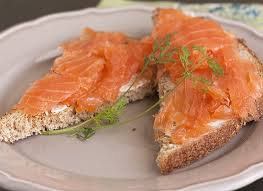
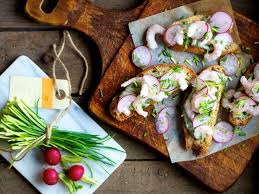
For this post, I have chosen to write about an alternative healthy Western diet to give people an idea of the variety of diets that exist even within Western cultures. The Nordic diet is definitely a healthier alternative to the American diet, a diet high in fats and processed meats. For those who find canola oil, berries, and rye appealing, the Nordic diet may be a diet worth trying out! Below I have a recipe for modern gravlax, a type of cold-cured salmon commonly eaten in Scandinavia. Some fun facts about gravlax: the name in Finland translates to grave-salmon, which comes from the medieval practice of curing raw fish by burying it in the sand above high tide level. This fish is usually eaten with smørrebrød , a type of open-faced sandwich.

Gravlax Recipe

Ingredients: 3-4 pounds of salmon fillet, 1 cup sugar, 1/2 salt, 1 teaspoon dill seeds, 1 tablespoon freshly ground pepper, 2 bunches of fresh dill

  1. Obtain salmon. Purchase frozen salmon and thaw before use or wait and freeze completed gravlax at no higher than -10F for 7 days. This will kill any harmful microorganisms in the fish.
  2. Combine the sugar and salt, then cover both sides of the fillet with half of the mixture.
  3. wash and chop the bunches of dill. Sprinkle the flesh side of the fillet with half the dill seeds and ground pepper
  4. place one fillet half, flesh side up, in a dish and place the chopped dill on top of it, then cover with the second half of the fillet, with the second half flesh side down. It should look like a large fish-and-dill sandwich.
  5. Cover the dish lightly with plastic wrap and marinate at room temperature until the sugar-salt mixture as melted into the fillet (but no more than 6 hours.
  6. Place a small pan or plate on top of the gravlax and refrigerate the weighted gravlax for at least 2 days and up to a week.
  7. Every 12 hours, turn the fish “sandwich” over in the brining liquid that has accumulated to make sure both sides are evenly marinated.
  8. After curing the fish for two days, remove the gravlax from the fridge, remove a lot of the dill and seasonings, and pat the salmon dry
  9. using a sharp knife, cut the cured gravlax into thin slices
  10. Serve the gravlax on a piece of rye bread or crispbread. Enjoy!
Image result for gravlax on break

Links: https://www.healthline.com/nutrition/the-nordic-diet-review https://www.nationalgeographic.com/foodfeatures/evolution-of-diet/ https://www.thespruceeats.com/how-to-prepare-gravlax-2952740

Your Smoothies and Chickpea Puffs Have Nothing on West African Food

Photo Credit: Ulyana Verbytska

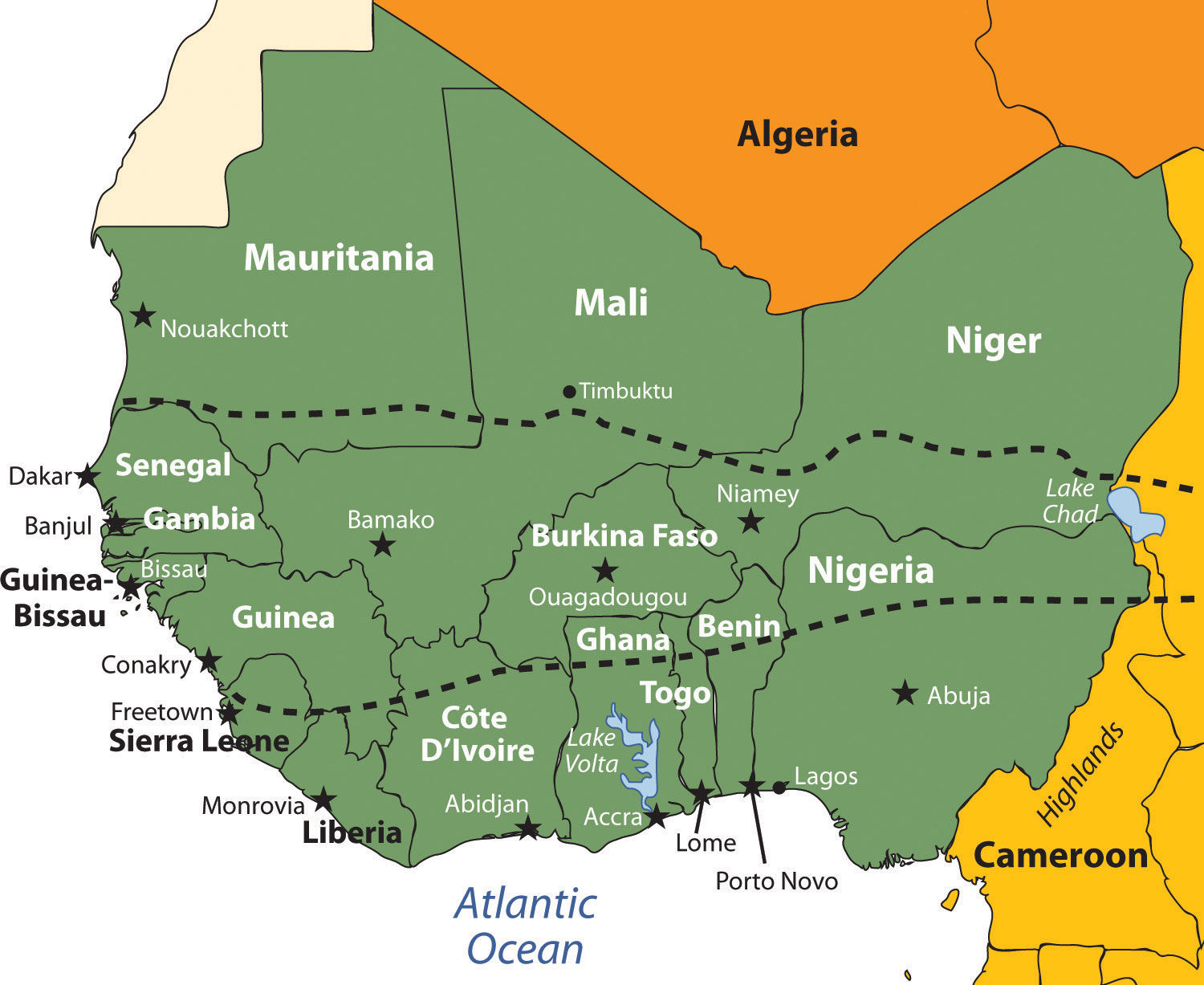
When discussing the healthiest diets in the world, the diets that probably come to mind are the oft-praised Mediterranean diet or Japanese diet. However, in a report that examined the diets of over 200 countries, this research has found that the West African diet has far more nutritional value than many Western diets, including diets in Canada and the U.S. Just to give a more definite geographic clarity on what is referred to as the West African diet, this diet is consumed by many people in the countries of Gambia, Mali, Senegal, Sierra Leone, Côte d’Ivoire, and Uganda.

Image result for West africa geography

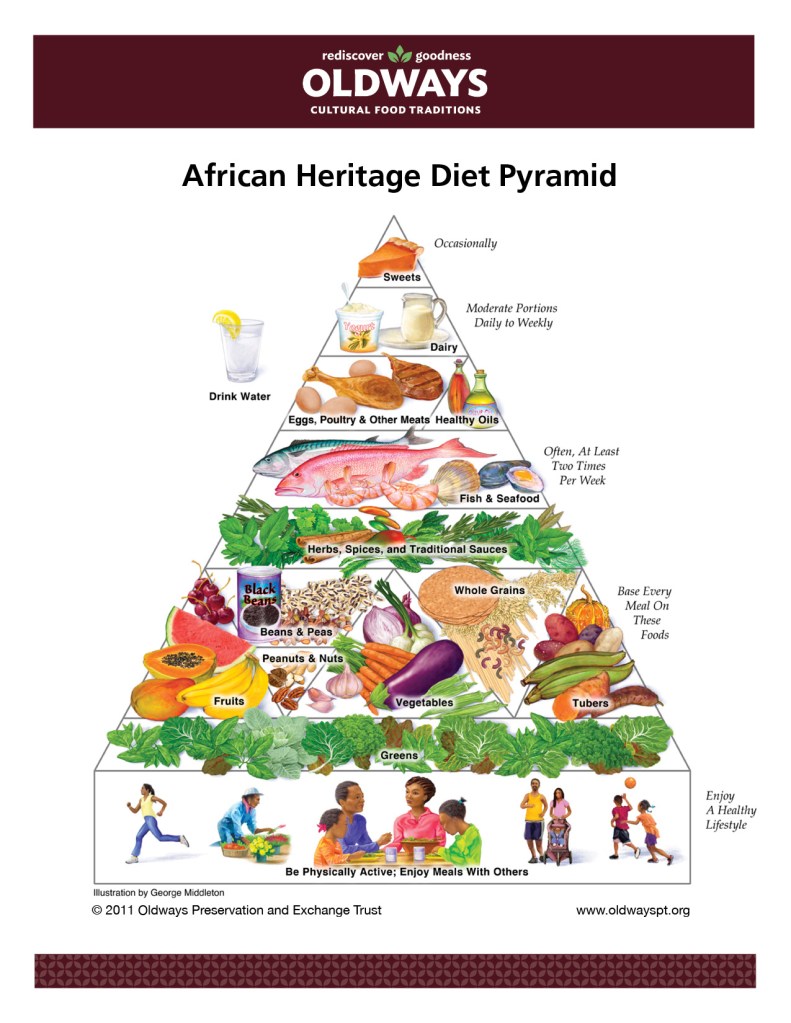
While many of us familiar with the USDA Food Pyramid, I was excited to see that a variety of other food pyramids existed, with the African Heritage Diet Pyramid being one of them. Oldways, a food and nutrition education nonprofit, created the African Heritage Pyramid which is “a food model that promotes a diet rich in vegetables, fruits, beans, herbs, spices, and traditional sauces”. Oldways looks to bring back food traditional to different regions of Africa to people of the African Diaspora all over the world. Comparing the USDA Food Pyramid and the African Heritage Diet Pyramid, the African Heritage Diet Pyramid emphasized fish, seafood, tubers, nuts, and beans. Interestingly, a category that does not exist in the USDA Food Pyramid is herbs, spices, and sauces.

Edit image

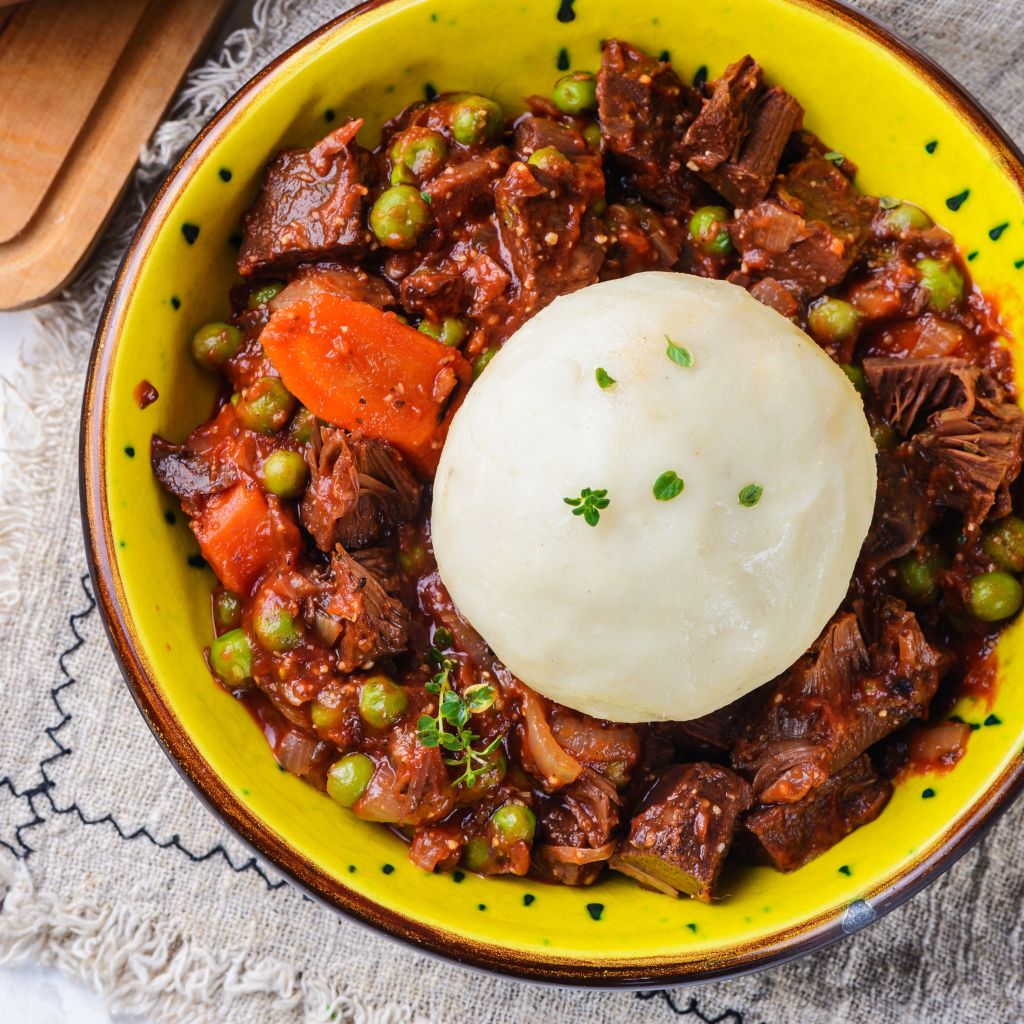
Compared to Western diets, the West African Diet is heavy on starch, light on meat, and incorporates many legumes and vegetables in dishes. Traditionally, meals are based off of hearty vegetable stews and stews, incorporate many spices and sauces, and are eaten with grains or mashed tubers. Tubers, like cassava and yams, are made into a staple called fufu, which accompanies many West African meals. Fufu can be made with cassava, yams, or plantains that have been boiled, pounded, and shaped into balls. The first photo on the blog post is of a fufu dish and the photo below is also of fufu.

Image result for fufu dishes
photo credit:  Brian D Cruickshank

Besides West African dishes looking delicious, the dietary habits of West African people also promote a healthier lifestyle than in Western countries. In a review of global dietary habits by The Lancet Global Health, The Lancet found that while more people in developed countries are eating healthier foods than they have in the past, they also are eating a lot more unhealthy foods. Unfortunately, unhealthy food doesn’t seem to balance out the healthy food eaten and people in industrialized countries are suffering from chronic diseases as a result of their poor diet.

Following this finding, a group of Americans and rural West Africans were asked to switch diets for two weeks. The sample of Americans was asked to eat a high fiber, low fat diet for two weeks while the sample of rural West African was asked to switch to a low fiber, high fat diet. In just two weeks, the American sample had a significant decrease in biomarkers of cancer risk and reduction in colon mucosal inflammation (a marker of colon cancer). The rural West African sample , on the other hand, had reverse changes in the above cancer markers.

Image result for surprised look

Yep, in just two weeks, the food we eat can have drastic effects on how our body functions and can turn on or off cancerous biomarkers depending on whether we are eating a high fat, low fiber diet or a low fat, high fiber diet. While incorporating healthier foods into our diets is a smart move, the West African diet still has a typical western diet beat in the nutrition and health benefits it provides.

Again, I hope you all enjoyed this post and the pictures of mouthwatering dishes of fufu above! I have a recipe for fufu below that you all should check out if you want to try a taste of the famous West African staple at home.

West African Fufu recipe

Ingredients: 2 pounds of yam/cassava, salt, black pepper, 1 teaspoon olive oil

  1. fill a pot halfway with cold water
  2. Peel the yams/cassava, be careful with the yams as they can be slippery
  3. cut the peeled yams into chunks and place them in the pot
  4. bring the yams/cassava to a boil over high heat and continue to boil until the yams are soft (around 25 minutes)
  5. take the yams out and allow the yams to cool (preferable in a strainer)
  6. place the cooled yams in a large bowl with salt, pepper, and the olive oil
  7. mash the ingredients together with potato masher and place the mixture in a food processor or blender using a low speed setting (do not let the mixture puree)
  8. place the mixture back in the bowl. At this point the mixture should be sticky and elastic.
  9. shape the fufu into balls using your hands and voila! You have made fufu.

Links: https://www.thelancet.com/journals/langlo/article/PIIS2214-109X(14)70381-X/fulltext https://www.nature.com/articles/ncomms7342 https://www.britannica.com/topic/fufu

The Inuit Paradox: A High Fat Diet

Photo credit: Bigstock

As we’ve been told time and time again by clinicians and nutritionists, our diets are inextricably linked to health. The “best” diet which promises lower incidence of cholesterol, diabetes, heart disease, and a plethora of other diseases is as follows: lots of fruits, vegetables, whole grains and a very low intake of meat. While there is plenty of evidence to suggest that this diet provides many health benefits, is it possible to follow a completely different diet…say, a diet with very low intake of fruits, veggies, whole grains, and a high intake of meat while still maintaining a good health status?

Image result for scratching head cartoon

Contrary to clinical and popular opinion, the traditional Inuit diet is an example of an extreme diet that seems very unbalanced, but still confers health benefits to the Inuit people. The Inuit people live in the the far northern areas of Canada, Alaska, Siberia, and Greenland and are very much influenced by cold tundra climate that they live in.

Image result for inuit people geography
Geographic Location of the Inuit People

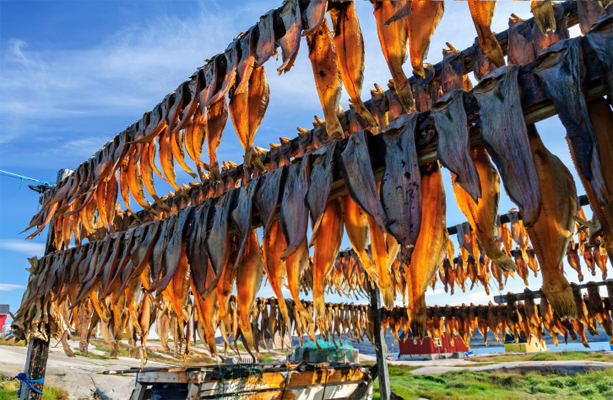
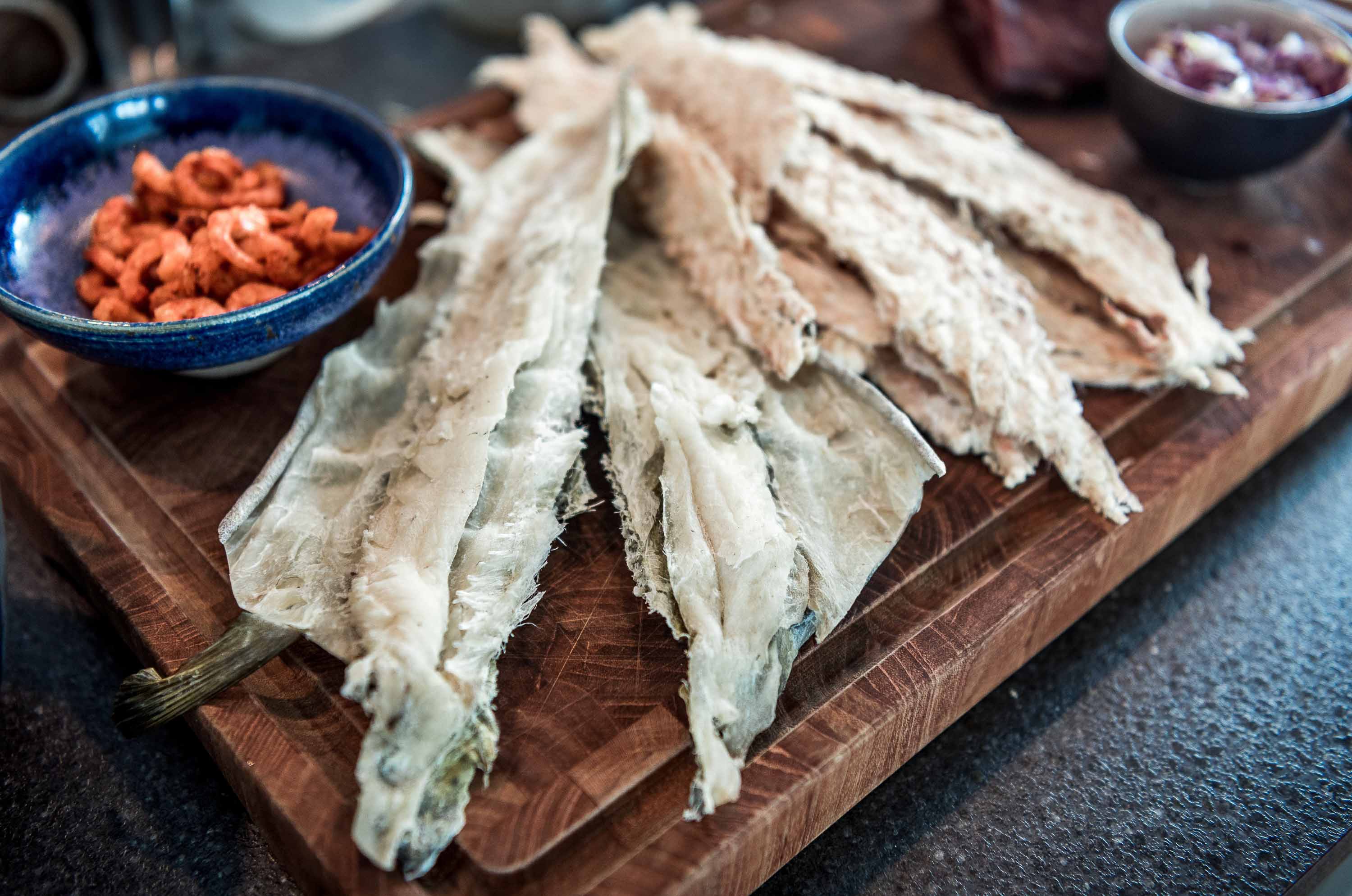
Traditionally, Inuits were a hunting and gathering group who moved regionally based on the seasons (Gibbons 2013). A traditional Inuit diet includes whale, seal, fish, and other marine mammals. The few vegetables and fruits included in the diet are berries, seaweed, and various grasses when they are seasonally available.

Image result for inuit cuisine seal
 Photo: Lola Akinmade Åkerström

With a diet of high protein and fat with very little fruits and vegetables, Inuit populations would be expected to have high rates of heart disease. However, Inuit people actually have lower rates heart disease and diabetes compared to Canadian and American populations. The Inuit diet is perfectly suited to the environment the Inuit population live in. Eating animals like whale and seal, which have high fat content, help keep people warm and satiates hunger for long periods of time. The key to the diet is the Omega-3- fatty acids from the high intake of seafood, which significantly reduces the risk of cardiovascular diseases (Jain 2015). For a population that has traditionally always been on the move in an extremely cold environment, a diet rich in unsaturated fatty acids, but low in fruits and vegetables, makes perfect sense for adapting to these extreme conditions.

However, Inuit communities are now facing a rise in cardiovascular diseases as the majority of the Inuit population are no longer nomadic, but are living in settled communities. Along with living a settled life, Inuit populations are consuming a more Western diet, which includes more refined carbohydrates and sugar. As a result, this drastic change in diet has caused an upwards spike in chronic diseases like diabetes and hypertension in Inuit populations. While many Inuit populations still rely heavily on seafood like seal, fish, and whale, the consequences of organic pollutants found in seafood is seen in the evidence of these chemicals in Inuit women’s breast milk (Lougheed 2010). For the Inuit who rely so heavily on their environment for sources of nutrition, any change to the environment directly impacts the health of the Inuit people.

Image result for Inuit food and people
Bowhead Whale, also known as Country Food

I hope you all found the Inuit paradox as fascinating as I did, especially since it goes against the grain of what what is traditionally thought of as a healthy, balanced diet. While diet and health are inextricably linked, another factor that cannot be forgotten is the environment that we live in that ultimately determines the diets we are able to follow. I think that we don’t need to be constantly searching for the exotic miracle super food grown in far off places to keep us young, healthy, and forever fit. Instead, we can look to our local surrounding environments for sustainable and healthy sources of nutrients.

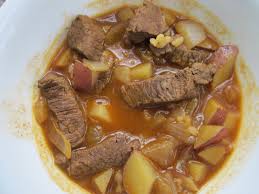
If you are every in possession of a bag of seal meat and don’t know what to do with it, I have the recipe for suassat, a traditional Greenlandic seal soup, below. If you are not able to procure seal meat, you can use lamb, venison, or any sort of game meat as a substitute.

Suassat Recipe

Ingredients: 2-3 pounds of seal meat (or lamb or venison), bone in cold water, salt, pepper, 4-5 handfuls of white rice, 1 large white onion, chopped 5-6 potatos, spicy mustard

  1. trim excess fat from seal meat
  2. fill a stock pot 2/3rd full of cold water and place seal in the water
  3. season with salt and pepper and bring it to a boil for around 30 minutes
  4. the blood and fat from the seal will rise to the top of the top and create a foamy layer. Stir the pot occasionally
  5. add the rice and onion to the boiling pot and allow to boil for 10 more minutes
  6. add the potatoes and allow the stew to boil for 20 minutes. After 1 hour of cooking, the suassat should be ready!
Image result for how to make suaasat
Bon Appetit!

Links to sources used: https://www.ncbi.nlm.nih.gov/pmc/articles/PMC3917888/ https://www.nationalgeographic.com/foodfeatures/evolution-of-diet/ https://www.ncbi.nlm.nih.gov/pubmed/2736000https://www.thecanadianencyclopedia.ca/en/article/inuit https://www.ncbi.nlm.nih.gov/pubmed/8871682 https://www.ncbi.nlm.nih.gov/pubmed/25720716

Cheese and Mutton: Staples of Northwest China

Photo Credit: Yu sheng Liu

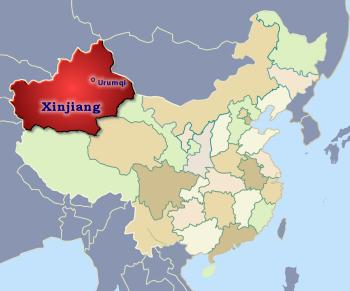
The most ancient known pieces of cheese have been found in a Bronze Age cemetery in … Xinjiang, China. That’s right! Not France or Spain or Switzerland or any European country that is famous for their cheeses. For context, Xinjiang is the northwestern region of China that is largely made up of arid deserts and mountainous areas.

Image result for xinjiang china
Xinjiang, China

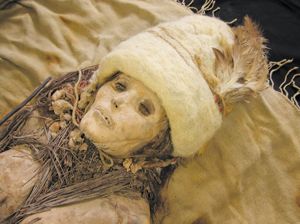
While her identity remains much of a mystery, it is evident that the mummy above loved cheese since 3,800 year old chunks of cheese were found around her the neck and chest (like the one above). Mummies, like the one above, were found buried in large, wooden coffins and have been surprisingly well-preserved because of the arid climate of the sand dune they were buried in.

Image result for hold on a second cartoon

At this point, you may be wondering why a population that is 90% lactose intolerant would choose to make and consume milk substances like cheese and yogurt. The key to the digestibility of this ancient cheese is that it does not include rennet, which is what is used to make hard cheeses like cheddar. Instead, the yeasts, Lactobacillus and Saccharomycetaceae, are used to make kefir yogurt and cheese products which are eaten in the Xinjiang region to this day. Kefir cheese might hold the key to how dairy consumption became widespread in the Eurasian and Middle Eastern areas, even though the majority of people are known to be intolerant to lactose. For this post, I want to take a closer look at the Xinjiang diet, particularly the importance of mutton and dairy in this diet.

Looking at Xinjiang food, I will be focusing on Uyghur dietary habits, since Uyghur minority makes up around half of the population of Xinjiang. Though Xinjiang is considered a part of China, the language and culture of Xinjiang people have more in common with Central Asia and Turkey than with the rest of China. For thousands of years, the cheesemaking process in Xinjiang has remained largely the same. While most cheese is made out of rennet, found in in animal’s stomachs, kefir cheese relies on the milk’s own acid to curdle and make cheese. Combined with sugar, this type of cheese tastes more like sweetened yogurt than cheddar or colby cheeses. To the nomadic people of Xinjiang, cheese is a daily staple and is eaten many different forms. Xinjiang cheeses can be found in both sweet and sour forms, with sour cheeses being used to make local breads and noodles.

Cheese is laid out for sale on a table.
Xinjiang Cheese for Sale by Alice Levitt

Besides cheese, mutton is most commonly eaten in Xinjiang regions. Since Xinjiang populations are largely Muslim, most meat prepared and eaten is either mutton or lamb in this region of China. Much of Northwest China contains rangelands which nomadic pastoralists have used to herd cattle for thousands of years. As you may guess, the diet of Xinjiang people largely reflects the nomadic lifestyle that people have followed here for thousands of years. Xinjiang diets, which heavily rely on dairy, red meat, breads, and noodles, reflect a high energy diet which has benefited a largely nomadic population which is constantly on the move.

Xinjiang Food
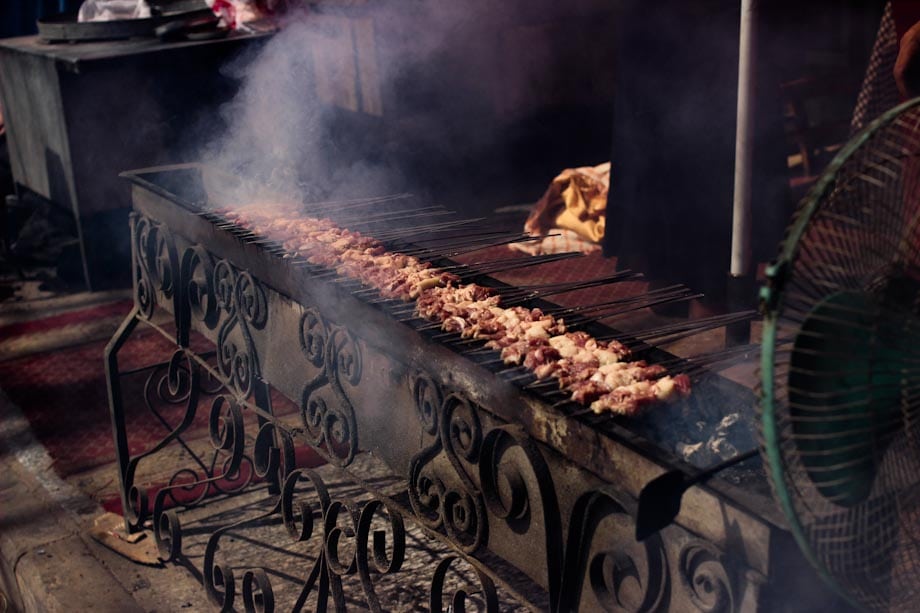
Sapore Di Cina Photo of Lamb Skewers

While there have been obvious advantages to eating a high-caloric diet of dairy and red-meat for a nomadic, pastoralist population, trade-offs to following this diet can be seen. Especially for a population that is so dependent on their environment for nutrition, Xinjiang nomads impacted by diseases that affect their cattle like the non-contagious Blue-tongue virus(BTV) infections. With diseases like BTV which kill off a large number of cattle, Xinjiang people not only suffer a huge economic loss, but also loss of an important food source.

I hope you enjoyed this post and learned something new about a diet that is not what one typically thinks of when asked about Chinese food. I have included a recipe on Xinjiang lamb rice, if you want to recreate the flavors of Northwestern China in your kitchen at home!

Xinjiang Lamb Rice

Ingredients: 2 cups uncooked jasmine or long grain white rice, 2 pounds fatty lamb, 4 cups water, 3 slices ginger, 3 tablespoons oil, 1 medium onion diced, 1 teaspoons salt, 2 teaspoon soy sauce, 1 teaspoon cumin powder, 1 pound carrots, 1/4 cup raisins optional

  1. Soak the rice for 30 minutes. Drain and set aside.
  2. While the rice is soaking, blanch the lamb by boiling 4 cups of water in a pot along with the lamb and ginger. Let it boil for a couple of minutes, and then turn off the heat. Pick out the lamb pieces and set them aside, making sure to drain off any excess water. Then use a strainer to strain the cooking liquid. Keep that liquid to cook the rice.
  3. Now heat the oil in a wok over high heat. Add ONLY the fatty lamb pieces, and stir-fry to get a nice crust on them. Turn the heat down to medium low, and render the fat until the pieces start to turn golden brown, about 6 to 8 minutes.
  4. Turn the heat to medium, and add the onion. Cook until the onion is translucent. Now turn the heat back up to high and add the blanched lamb in a single layer so as to brown the meat on all sides. This will take a few minutes. Add 2 1/2 cups of the cooking liquid you reserved earlier, along with the salt, soy sauce, and cumin, and mix everything well. Cover and simmer for 20 minutes.
  5. Now add in the carrots and raisins (if using), and cover for another minute to bring the mixture back up to a boil. Turn off the heat. (Don’t worry, the carrots will finish cooking in the rice cooker. Also, at this point, the taste will be on the salty side, but remember that it will mellow up once mixed in with the rice.)
  6. Pour everything into the rice cooker (or a pot), and add the rice. The rice should be spread out evenly. There should be enough liquid to see peeking through the rice grains (you may need to add more water if needed), but the liquid level should not be above the rice. Cover and start the rice cooker. If you are using a pot, turn the heat up to medium high to bring the mixture to a simmer, cover, turn the heat down to low, and cook for 15-20 minutes.
  7. Once the rice is done cooking, open the lid, mix everything together, add salt to taste.
Image result for xinjiang lamb rice
Xinjiang Lamb Rice (hopefully your finished product)

Links to reference cites: https://www.ncbi.nlm.nih.gov/pmc/articles/PMC6388665/ , https://www.saporedicina.com/english/food-from-xinjiang/ , https://www.atlasobscura.com/articles/cheese-buried-with-mummies, https://www.nature.com/articles/507010a https://thewoksoflife.com/lamb-rice/

Taro and Potatoes and Yucca, Oh My!

Nowadays, it seems that the search for a “miracle” diet is never ending. Advocates for certain diets claim that their diet plan will keep them healthy, prevent disease, improve virility, and slow the aging process. While the countless diets that are touted on popular magazines and social media differ based on trendy food preferences, all of these diets promise their followers the same thing: this diet includes everything that is nutritionally best for the human body in a day and age where we are consuming too many trans-fats and toxic, artificial compounds. However, the fact that our bodies and genes vary from each other is often glossed over in these diet plans.

undefined

While I want to go into more detail about the connections certain foods and how different bodies respond to them, I will focus this post on a category that is getting a lot of backlash, but is also one of the essential nutrient groups necessary for survival:

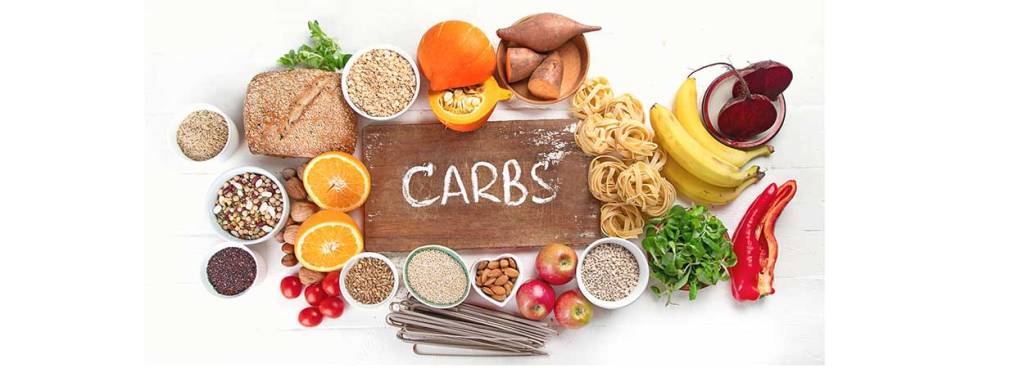
That’s right. I want to take a look at carbs, but more specifically, look at different starch carbohydrates consumed around the world.

Image result for potato

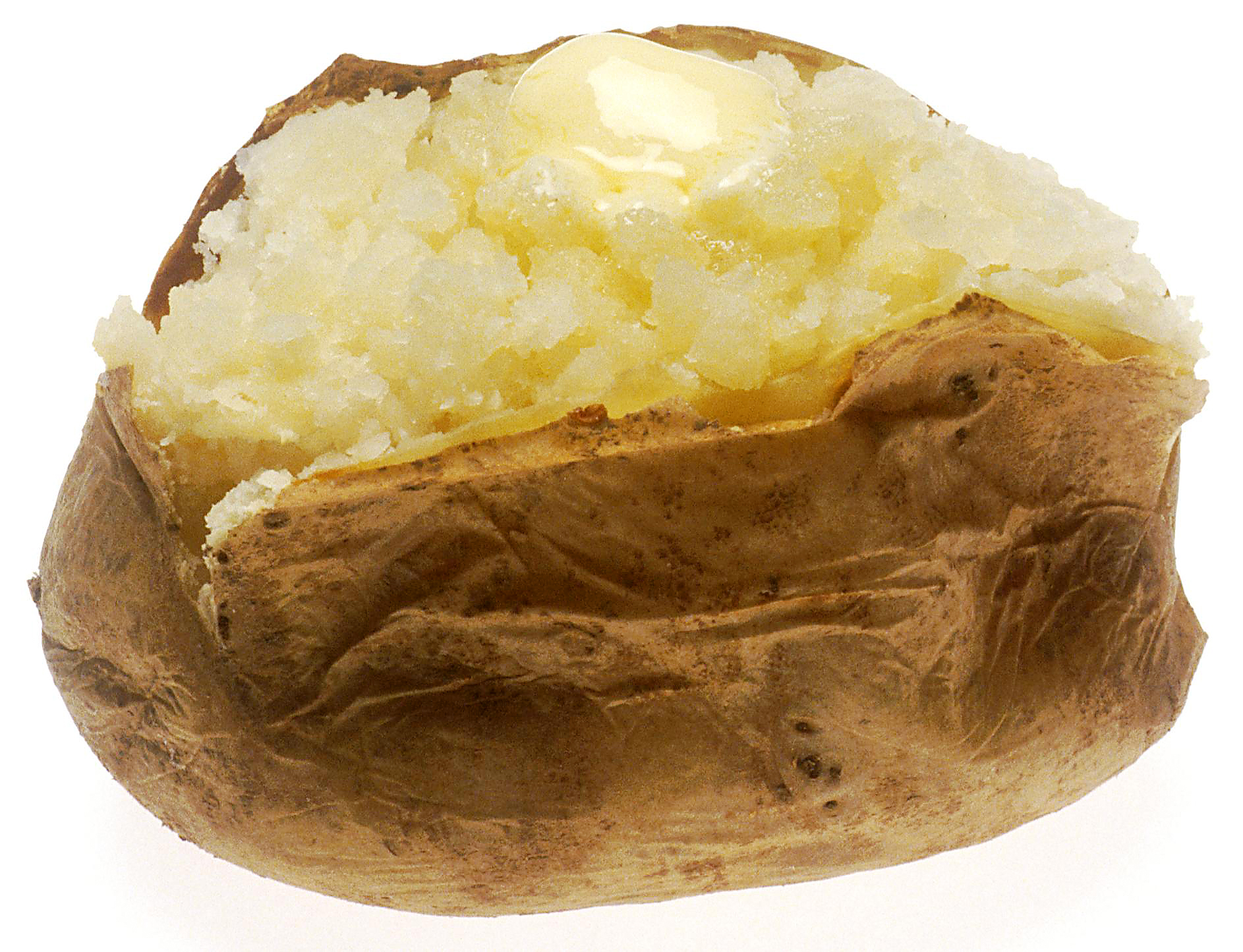
If someone were to ask for an example of a starchy carbohydrate, the potato would probably be the first starchy crop to pop into your head if you were raised in a Western country. After all, the potato is such a staple in Western diet – whether it be French fries, baked potatoes, or mashed potatoes. The Western potato is an example of a fast-release carbohydrate since eating this food causes blood-sugar levels to rapidly spike causing a rapid, fast release of energy. While the potato is a great food for short, sustained bursts of energy, the introduction of the Western potato to populations that traditionally consumed slow-release starch carbohydrates has had devastating health effects.

Image result for taro

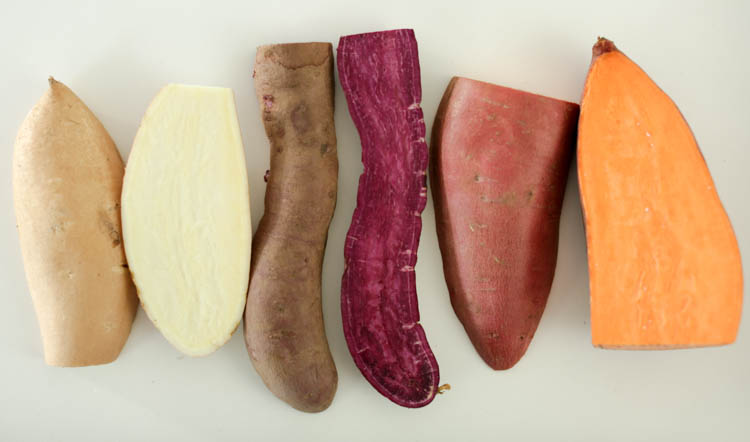
Originally grown in Asia, Taro is a staple in many tropical and subtropical regions (Brown 2004). Visually, the Taro looks like a purple potato and can be thought of the Western’s potato healthier cousin. Unlike the potato, taro has deep historical and cultural roots in Pacific Islands such as Hawaii, New Zealand, and areas west of Indonesia, where it used to be a major dietary staple. Particularly in Hawaii, taro is associated with stories of creation and has been used for medicinal purposes (Brown 2014). Different forms of taro are consumed around the world, where both the leaves and the root of the taro plant can be consumed. In the Philippines and Nepal, both the leaves and the root of the taro plant are consumed in curry dishes and stews with meat. In the Maldives, taro root is often boiled and in Hawaii, poi is the most common form of taro, where the taro root is cooked and then crushed into a paste made with water.

Image result for yuca food

Also known as cassava, Yucca is a slow-releasing starch carbohydrate that is a staple in South America and many African countries. Yucca is particularly drought resistant starch carbohydrate, which is why over 500 million people depend on the root as a staple across the globe. Like Taro, the most nutritional value is gained from its roots and leaves. If not cooked properly, the amount of cyanide in cassava can be poisonous. In Nigeria and many other West African countries, Yucca is grated and fried in palm oil. In Indonesia, yucca is often fermented and used in stews alongside meats.

How Slow-releasing starches Affect Different Bodies

So why does it matter whether we prefer slow-releasing carbohydrates like yucca and taro rather than fast releasing ones like potatoes? Slow-release carbohydrates, much like the name suggests, are slowly digested so that blood-sugar levels are synced with insulin production, which means that these starches keep us full for a longer period of time. Also, certain populations, such as Australian Aborigines and Native Americans in the Sonoran Desert, have used slow-release desert foods as a means of defense against diseases such as diabetes and obesity. Slow-release foods such as the bush potato and prickly pear cactus slow the rise of insulin production in native populations who have eaten these foods for centuries (Nabhan 173). With diseases such as obesity and diabetes overwhelmingly affecting populations around the world, scrutinizing the foods we choose to eat can provide answers and explanations for why an increasing Westernized diet of fast-releasing foods can have dangerous consequences.

This is the first post on my new blog. I’m just getting this new blog going, so stay tuned for more. Subscribe below to get notified when I post new updates.