
As we’ve been told time and time again by clinicians and nutritionists, our diets are inextricably linked to health. The “best” diet which promises lower incidence of cholesterol, diabetes, heart disease, and a plethora of other diseases is as follows: lots of fruits, vegetables, whole grains and a very low intake of meat. While there is plenty of evidence to suggest that this diet provides many health benefits, is it possible to follow a completely different diet…say, a diet with very low intake of fruits, veggies, whole grains, and a high intake of meat while still maintaining a good health status?

Contrary to clinical and popular opinion, the traditional Inuit diet is an example of an extreme diet that seems very unbalanced, but still confers health benefits to the Inuit people. The Inuit people live in the the far northern areas of Canada, Alaska, Siberia, and Greenland and are very much influenced by cold tundra climate that they live in.

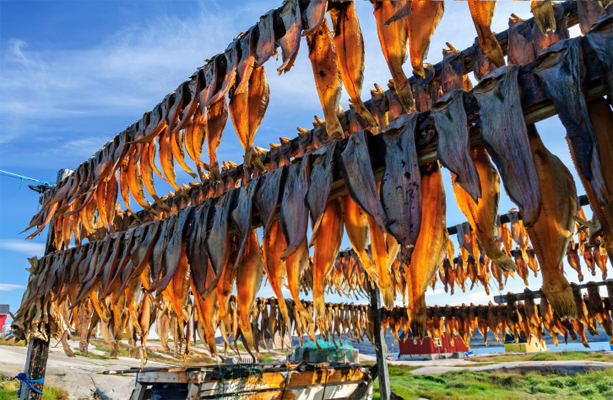
Traditionally, Inuits were a hunting and gathering group who moved regionally based on the seasons (Gibbons 2013). A traditional Inuit diet includes whale, seal, fish, and other marine mammals. The few vegetables and fruits included in the diet are berries, seaweed, and various grasses when they are seasonally available.
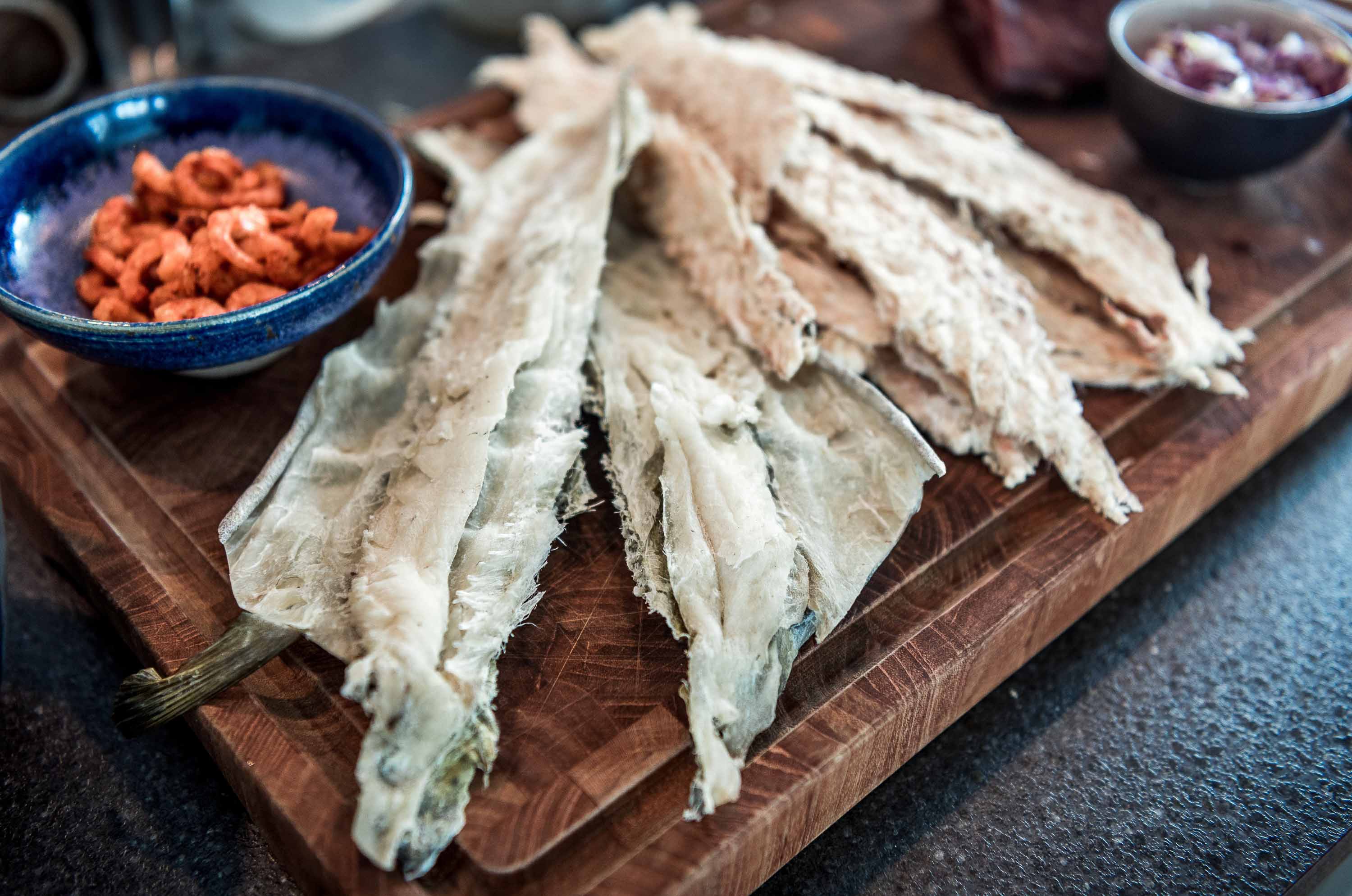
With a diet of high protein and fat with very little fruits and vegetables, Inuit populations would be expected to have high rates of heart disease. However, Inuit people actually have lower rates heart disease and diabetes compared to Canadian and American populations. The Inuit diet is perfectly suited to the environment the Inuit population live in. Eating animals like whale and seal, which have high fat content, help keep people warm and satiates hunger for long periods of time. The key to the diet is the Omega-3- fatty acids from the high intake of seafood, which significantly reduces the risk of cardiovascular diseases (Jain 2015). For a population that has traditionally always been on the move in an extremely cold environment, a diet rich in unsaturated fatty acids, but low in fruits and vegetables, makes perfect sense for adapting to these extreme conditions.
However, Inuit communities are now facing a rise in cardiovascular diseases as the majority of the Inuit population are no longer nomadic, but are living in settled communities. Along with living a settled life, Inuit populations are consuming a more Western diet, which includes more refined carbohydrates and sugar. As a result, this drastic change in diet has caused an upwards spike in chronic diseases like diabetes and hypertension in Inuit populations. While many Inuit populations still rely heavily on seafood like seal, fish, and whale, the consequences of organic pollutants found in seafood is seen in the evidence of these chemicals in Inuit women’s breast milk (Lougheed 2010). For the Inuit who rely so heavily on their environment for sources of nutrition, any change to the environment directly impacts the health of the Inuit people.

I hope you all found the Inuit paradox as fascinating as I did, especially since it goes against the grain of what what is traditionally thought of as a healthy, balanced diet. While diet and health are inextricably linked, another factor that cannot be forgotten is the environment that we live in that ultimately determines the diets we are able to follow. I think that we don’t need to be constantly searching for the exotic miracle super food grown in far off places to keep us young, healthy, and forever fit. Instead, we can look to our local surrounding environments for sustainable and healthy sources of nutrients.
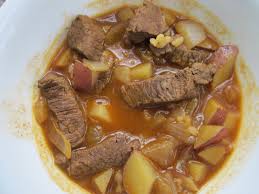
If you are every in possession of a bag of seal meat and don’t know what to do with it, I have the recipe for suassat, a traditional Greenlandic seal soup, below. If you are not able to procure seal meat, you can use lamb, venison, or any sort of game meat as a substitute.
Suassat Recipe
Ingredients: 2-3 pounds of seal meat (or lamb or venison), bone in cold water, salt, pepper, 4-5 handfuls of white rice, 1 large white onion, chopped 5-6 potatos, spicy mustard
- trim excess fat from seal meat
- fill a stock pot 2/3rd full of cold water and place seal in the water
- season with salt and pepper and bring it to a boil for around 30 minutes
- the blood and fat from the seal will rise to the top of the top and create a foamy layer. Stir the pot occasionally
- add the rice and onion to the boiling pot and allow to boil for 10 more minutes
- add the potatoes and allow the stew to boil for 20 minutes. After 1 hour of cooking, the suassat should be ready!
Links to sources used: https://www.ncbi.nlm.nih.gov/pmc/articles/PMC3917888/ https://www.nationalgeographic.com/foodfeatures/evolution-of-diet/ https://www.ncbi.nlm.nih.gov/pubmed/2736000https://www.thecanadianencyclopedia.ca/en/article/inuit https://www.ncbi.nlm.nih.gov/pubmed/8871682 https://www.ncbi.nlm.nih.gov/pubmed/25720716
 Food & Bodies