
Nowadays, it seems that the search for a “miracle” diet is never ending. Advocates for certain diets claim that their diet plan will keep them healthy, prevent disease, improve virility, and slow the aging process. While the countless diets that are touted on popular magazines and social media differ based on trendy food preferences, all of these diets promise their followers the same thing: this diet includes everything that is nutritionally best for the human body in a day and age where we are consuming too many trans-fats and toxic, artificial compounds. However, the fact that our bodies and genes vary from each other is often glossed over in these diet plans.

While I want to go into more detail about the connections certain foods and how different bodies respond to them, I will focus this post on a category that is getting a lot of backlash, but is also one of the essential nutrient groups necessary for survival:

That’s right. I want to take a look at carbs, but more specifically, look at different starch carbohydrates consumed around the world.
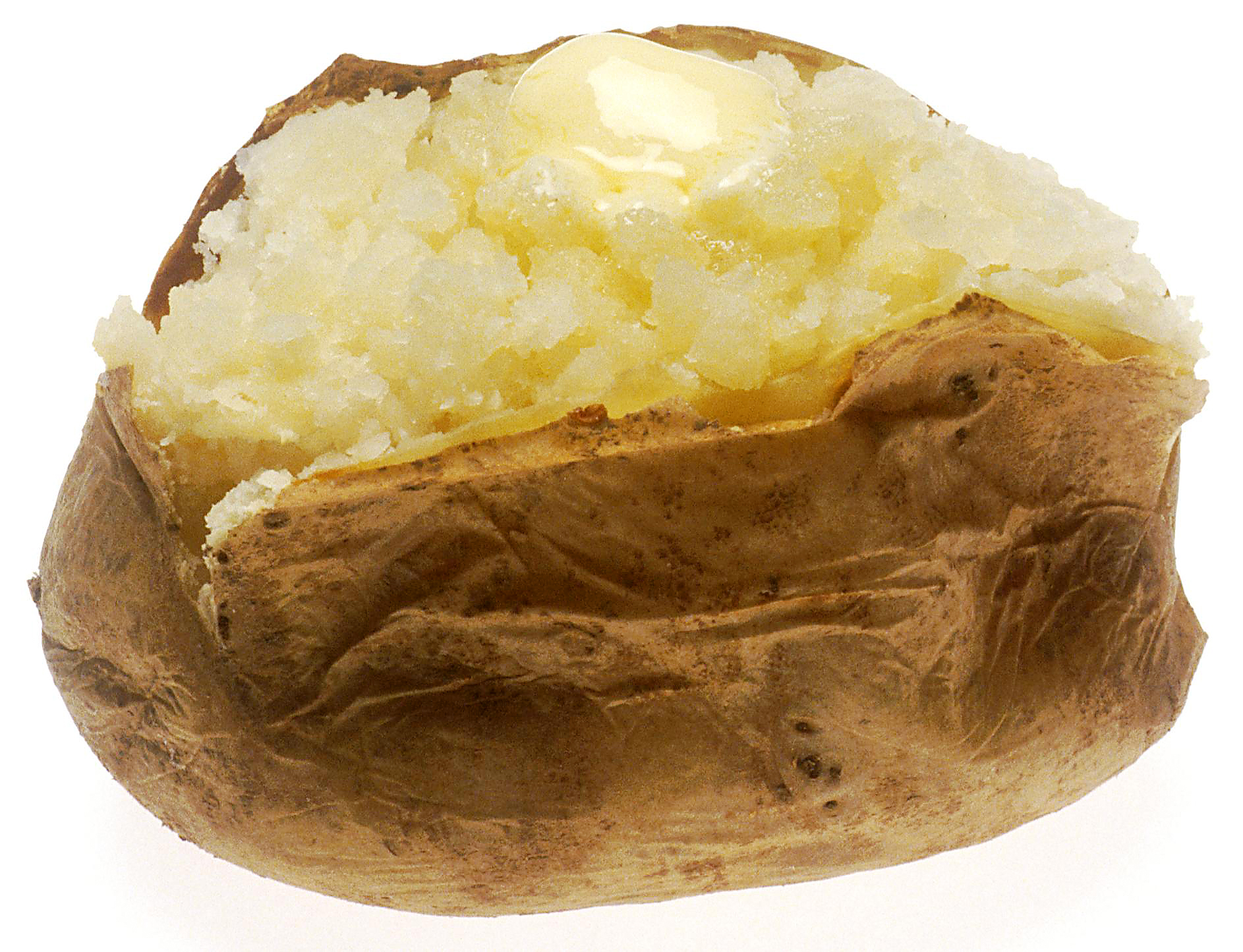
If someone were to ask for an example of a starchy carbohydrate, the potato would probably be the first starchy crop to pop into your head if you were raised in a Western country. After all, the potato is such a staple in Western diet – whether it be French fries, baked potatoes, or mashed potatoes. The Western potato is an example of a fast-release carbohydrate since eating this food causes blood-sugar levels to rapidly spike causing a rapid, fast release of energy. While the potato is a great food for short, sustained bursts of energy, the introduction of the Western potato to populations that traditionally consumed slow-release starch carbohydrates has had devastating health effects.

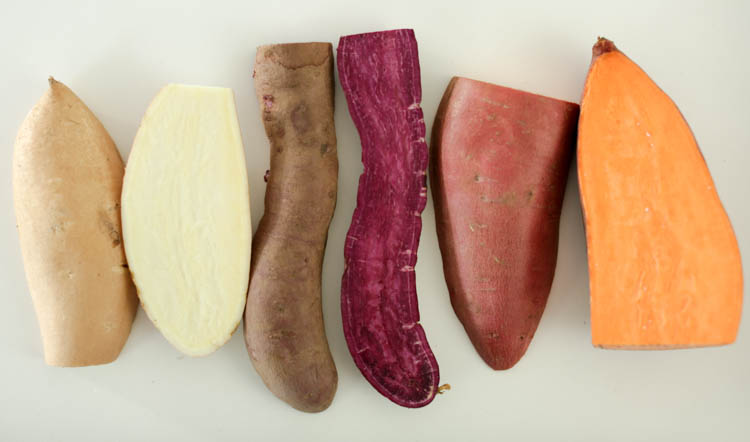
Originally grown in Asia, Taro is a staple in many tropical and subtropical regions (Brown 2004). Visually, the Taro looks like a purple potato and can be thought of the Western’s potato healthier cousin. Unlike the potato, taro has deep historical and cultural roots in Pacific Islands such as Hawaii, New Zealand, and areas west of Indonesia, where it used to be a major dietary staple. Particularly in Hawaii, taro is associated with stories of creation and has been used for medicinal purposes (Brown 2014). Different forms of taro are consumed around the world, where both the leaves and the root of the taro plant can be consumed. In the Philippines and Nepal, both the leaves and the root of the taro plant are consumed in curry dishes and stews with meat. In the Maldives, taro root is often boiled and in Hawaii, poi is the most common form of taro, where the taro root is cooked and then crushed into a paste made with water.

Also known as cassava, Yucca is a slow-releasing starch carbohydrate that is a staple in South America and many African countries. Yucca is particularly drought resistant starch carbohydrate, which is why over 500 million people depend on the root as a staple across the globe. Like Taro, the most nutritional value is gained from its roots and leaves. If not cooked properly, the amount of cyanide in cassava can be poisonous. In Nigeria and many other West African countries, Yucca is grated and fried in palm oil. In Indonesia, yucca is often fermented and used in stews alongside meats.
How Slow-releasing starches Affect Different Bodies
So why does it matter whether we prefer slow-releasing carbohydrates like yucca and taro rather than fast releasing ones like potatoes? Slow-release carbohydrates, much like the name suggests, are slowly digested so that blood-sugar levels are synced with insulin production, which means that these starches keep us full for a longer period of time. Also, certain populations, such as Australian Aborigines and Native Americans in the Sonoran Desert, have used slow-release desert foods as a means of defense against diseases such as diabetes and obesity. Slow-release foods such as the bush potato and prickly pear cactus slow the rise of insulin production in native populations who have eaten these foods for centuries (Nabhan 173). With diseases such as obesity and diabetes overwhelmingly affecting populations around the world, scrutinizing the foods we choose to eat can provide answers and explanations for why an increasing Westernized diet of fast-releasing foods can have dangerous consequences.
This is the first post on my new blog. I’m just getting this new blog going, so stay tuned for more. Subscribe below to get notified when I post new updates.
 Food & Bodies